productos
BUSCA LO QUE QUIERAS
Sudeste asiático, Asia Central, Medio Oriente y África: Impulsado por el desarrollo de la infraestructura y la agricultura, existe una fuerte demanda de bolsas tejidas estándar, FIBC (bolsas a granel) y bolsas de malla. Los beneficios continuos del acuerdo RCEP y las ventajas arancelarias favorecen las exportaciones; sin embargo, la expansión de la capacidad entre las plantas locales de tejido de plástico en el sudeste asiático ha intensificado la competencia de precios, particularmente para bolsas básicas de uso general.
"Belt and Road" Países: Los pedidos de embalaje -que van desde minerales, cereales y carbón hasta frutas y verduras- siguen llegando. Los clientes priorizan las especificaciones medidas, como la resistencia a la rotura, la resistencia a la tracción, la resistencia a los rayos UV y la consistencia dimensional.
Los precios de la resina de PP (polipropileno) están experimentando grandes fluctuaciones, apretando los márgenes de procesamiento.
La estructura de costes de la industria está inextricablemente ligada a la resina PP de calidad hilada; la puesta en marcha de nuevas instalaciones de petróleo crudo y carbón a olefina este año ha provocado una frecuente volatilidad de los precios.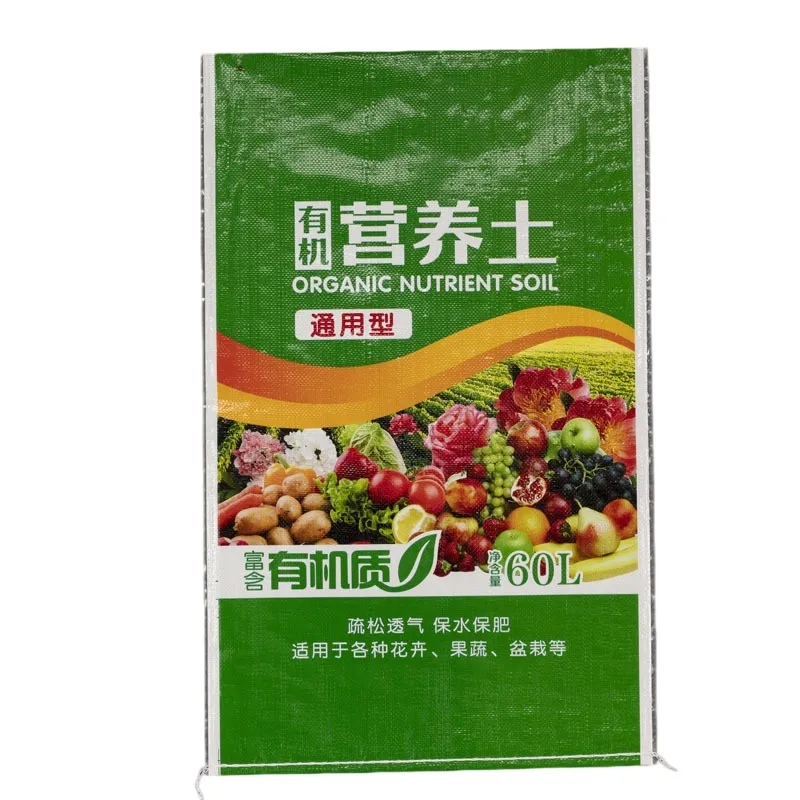
Previsión del mercado
Es probable que los precios de las materias primas PP continúen fluctuando dentro de un amplio rango, con no se espera un aumento o colapso unilateral significativo. Se recomienda a las fábricas que obtengan en función de la demanda real en lugar de especular sobre las tendencias del mercado.
El período posterior a septiembre marca la temporada alta tradicional; la cosecha agrícola de otoño y el stock de inventario de comercio exterior están impulsando una mejora mensual en los pedidos. Sin embargo, el mercado no se sobrecalentará en general, manteniéndose caracterizado por tendencias estructurales. La competencia por las bolsas estándar sigue siendo feroz, mientras que los pedidos de FIBC funcionales, bolsas de malla resistentes a los rayos UV y envases de calidad alimentaria demuestran una mayor resistencia.
Comercio Exterior: La demanda en los mercados emergentes se mantiene estable; la UE sigue elevando los umbrales de cumplimiento, eliminando gradualmente los productos no conformes; la competencia en el sudeste asiático se está intensificando aún más.
Consolidación de la industria: Las pequeñas y medianas empresas (pymes) que carecen de capacidades técnicas y estándares de cumplimiento -que dependen únicamente de precios bajos- se enfrentan a una presión creciente para sobrevivir. Por el contrario, las fábricas que poseen capacidades de cadena completa (extrusión de hilo, tejido circular y acabado) y experiencia en pruebas y regulaciones en el extranjero asegurarán una mayor parte de los pedidos de alta calidad.
Sudeste asiático, Asia Central, Medio Oriente y África: Impulsado por el desarrollo de la infraestructura y la agricultura, existe una fuerte demanda de bolsas tejidas estándar, FIBC (bolsas a granel) y bolsas de malla. Los beneficios continuos del acuerdo RCEP y las ventajas arancelarias favorecen las exportaciones; sin embargo, la expansión de la capacidad entre las plantas locales de tejido de plástico en el sudeste asiático ha intensificado la competencia de precios, particularmente para bolsas básicas de uso general.
"Belt and Road" Países: Los pedidos de embalaje -que van desde minerales, cereales y carbón hasta frutas y verduras- siguen llegando. Los clientes priorizan las especificaciones medidas, como la resistencia a la rotura, la resistencia a la tracción, la resistencia a los rayos UV y la consistencia dimensional.
Los precios de la resina de PP (polipropileno) están experimentando grandes fluctuaciones, apretando los márgenes de procesamiento.
La estructura de costes de la industria está inextricablemente ligada a la resina PP de calidad hilada; la puesta en marcha de nuevas instalaciones de petróleo crudo y carbón a olefina este año ha provocado una frecuente volatilidad de los precios.
Previsión del mercado
Es probable que los precios de las materias primas PP continúen fluctuando dentro de un amplio rango, con no se espera un aumento o colapso unilateral significativo. Se recomienda a las fábricas que obtengan en función de la demanda real en lugar de especular sobre las tendencias del mercado.
El período posterior a septiembre marca la temporada alta tradicional; la cosecha agrícola de otoño y el stock de inventario de comercio exterior están impulsando una mejora mensual en los pedidos. Sin embargo, el mercado no se sobrecalentará en general, manteniéndose caracterizado por tendencias estructurales. La competencia por las bolsas estándar sigue siendo feroz, mientras que los pedidos de FIBC funcionales, bolsas de malla resistentes a los rayos UV y envases de calidad alimentaria demuestran una mayor resistencia.
Comercio Exterior: La demanda en los mercados emergentes se mantiene estable; la UE sigue elevando los umbrales de cumplimiento, eliminando gradualmente los productos no conformes; la competencia en el sudeste asiático se está intensificando aún más.
Consolidación de la industria: Las pequeñas y medianas empresas (pymes) que carecen de capacidades técnicas y estándares de cumplimiento -que dependen únicamente de precios bajos- se enfrentan a una presión creciente para sobrevivir. Por el contrario, las fábricas que poseen capacidades de cadena completa (extrusión de hilo, tejido circular y acabado) y experiencia en pruebas y regulaciones en el extranjero asegurarán una mayor parte de los pedidos de alta calidad.